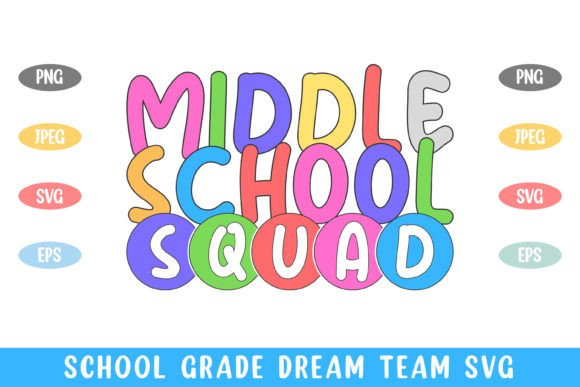
Review: Middle School Dream Team Embroidery Design
As an embroidery designer who spends more time staring at stitch simulations than I care to admit, I have learned that not every cute graphic translates well to thread. We have all been there: you download a digital embroidery file that looks crisp on the screen, only to watch it turn into a puckered mess or an indistinguishable blob once the needle hits the fabric. That is why I approach every new asset with a critical eye, looking past the marketing hype to see how it actually performs in the hoop. Recently, I spent some time evaluating the Middle School Dream Team School Kid design, and I want to share my practical insights for fellow crafters, Etsy sellers, and apparel decorators.
First Impressions and Visual Personality
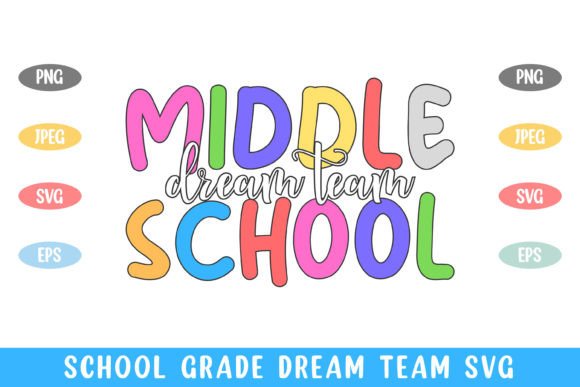
The first thing that strikes me about Middle School Dream Team School Kid is its balanced layout. In the world of Crafts and digital Graphics, it is easy to find designs that are either too busy or too sparse. This design sits comfortably in the middle, offering enough detail to be engaging without overwhelming the stitching area. The theme evokes a sense of camaraderie and youthful energy, which makes it incredibly versatile. It does not scream "kindergarten" in a way that limits its lifespan, nor is it so mature that it loses its charm. This visual personality is crucial because it determines where the design can live. Is it for a baby onesie? A teacher’s tote? A high school spirit sweatshirt? The mood here suggests it fits best in that transitional space of elementary to middle grade projects, or as a nostalgic nod for educators.
When I look at the line work and shape distribution, I am immediately thinking about stitch types. A design like this likely relies on a mix of satin stitch for borders and text, and potentially fill stitch for larger graphical elements. The clarity of the shapes suggests that the digitizer has considered how thread lays down, which is a good sign. However, the real test is always in the application.
Real-World Application: The Custom Tote Scenario
To truly understand the value of this asset, let us walk through a real-life scenario. Imagine a local teacher approaches you for a custom order. She wants a set of durable canvas tote bags for her classroom library, something that says "Dream Team" but feels personal and professional. You pull up Middle School Dream Team School Kid. Because the description notes that color changes are possible and easy, you can quickly adapt the palette to match the school colors or the teacher’s preferred aesthetic. This flexibility is vital for a craft business where client customization is the norm.
In this scenario, the design needs to hold up against the textured surface of canvas. Canvas is forgiving, but it requires proper stabilization. If the stitch density is too low, the fabric grain might show through the letters. If it is too high, the bag might pucker. My advice here is to run a test stitch on a scrap piece of the exact same canvas. Check how the running stitch underlay interacts with the fabric. For a tote bag design like this, you want the finished product to feel substantial, not flimsy. The visual appeal of the stitched result will directly impact the perceived value of your handmade product. A clean, crisp stitch out builds customer trust and encourages repeat business.
Versatility Across Products
Beyond totes, where else does this design shine? I see strong potential in sweatshirt embroidery. A crewneck sweatshirt provides a large, stable canvas for the design. The theme works beautifully for staff appreciation gifts or team-building events. When embroidering on fleece or cotton blends, remember that the pile of the fabric can hide fine details. If Middle School Dream Team School Kid has intricate corners or tiny lettering, you may need to adjust the size or simplify the stitch path to ensure legibility.
For custom apparel like t-shirts, the design’s adaptability is a major plus. The ability to change colors easily means you can create high-contrast versions for dark shirts and subtle, tonal versions for light shirts. This is essential for maintaining professionalism across different garment colors. However, be cautious with stretchy fabrics. Without the right stabilizer, even a well-digitized design can distort after washing. Always hoop your stabilizer with the fabric, not just float it, when working on knits.
I also see opportunity in the embroidered patch market. Patches are trending, and this design’s self-contained shape makes it a candidate for merrowed edges or raw-edge applique. If you are creating patches for sale on Etsy, ensure that the design scales well. A design that looks great at five inches might lose its definition at two inches. Check the small details before committing to a production run.
Technical Considerations and Pitfalls
While Middle School Dream Team School Kid is promising, there are areas where you must exercise caution. First, consider the hoop size. Ensure that the design fits comfortably within your machine’s maximum hoop dimensions, leaving enough margin for the frame to grip the fabric securely. Trying to squeeze a large design into a small hoop is a recipe for registration errors and skipped stitches.
Second, pay attention to thread colors. The description mentions easy color changes, which is excellent for mockups. But in practice, thread sheen and thickness vary by brand. A color that looks distinct on screen might blend together in thread. I recommend testing your chosen palette on both light and dark fabrics. Contrast is key for readability, especially if this design is intended for holiday embroidery gifts or personalized gift items where the recipient might not be familiar with the context.
Third, be mindful of dense stitch areas. If the design includes solid blocks of color, check the stitch direction. Alternating the angle of fill stitches can prevent the fabric from warping. This is particularly important for baby embroidery items, where comfort is paramount. No parent wants a scratchy, stiff patch on their child’s clothing. If the design feels too dense, consider using an applique design technique instead, where fabric covers the bulk of the area and thread is used only for outlining and detailing.
Commercial Viability and Brand Consistency
For Etsy sellers and small shop owners, the commercial viability of a design depends on its uniqueness and execution. Middle School Dream Team School Kid offers a niche appeal that can help you stand out in a saturated market. However, you must verify the licensing terms. Just because a file is labeled for commercial use does not mean you can resell the digital file itself. Typically, you are selling the finished product, not the design assets. Always read the license agreement included with your purchase to protect your business.
Using this design consistently can help build brand recognition. If you specialize in school-related items, having a cohesive look across your small shop product line creates a professional image. Use printable mockup tools to showcase the design on various items before you stitch them. This allows customers to visualize the final result and increases buyer engagement. Remember, in the world of commercial embroidery, presentation is half the sale.
Final Designer Notes
Before you launch into full production with Middle School Dream Team School Kid, take these final steps. Test the design on scrap fabric that matches your final project material. Inspect the back of the embroidery to ensure clean bobbin work and minimal trimming issues. Check for any loose threads or jumps that might need manual cleanup. Confirm that the design works for both personal and commercial projects according to your specific license. And finally, trust your eyes. If it looks good in the hoop, it will look good on the customer. Happy stitching.