Reviewing 5th Grade School Teacher Life for Embroidery
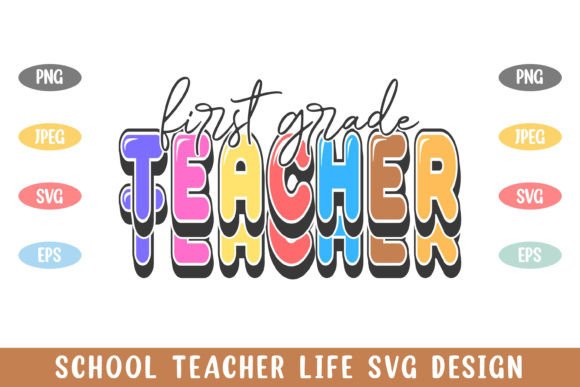
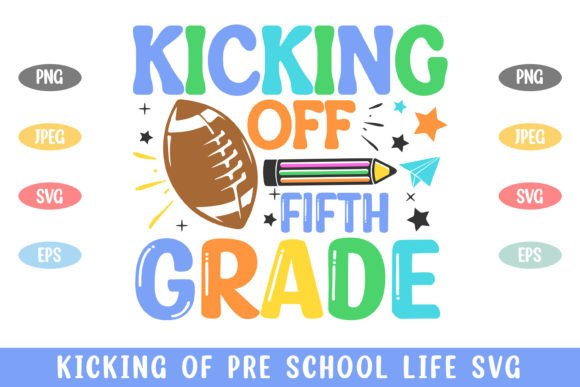
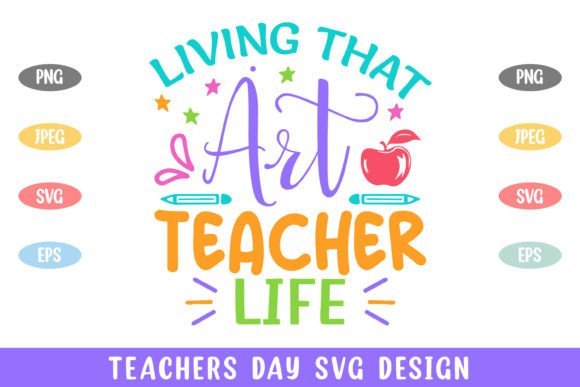
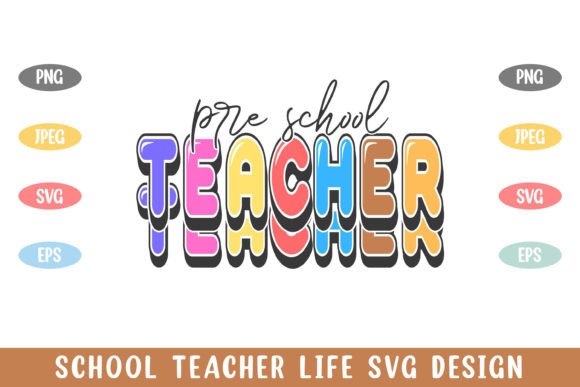
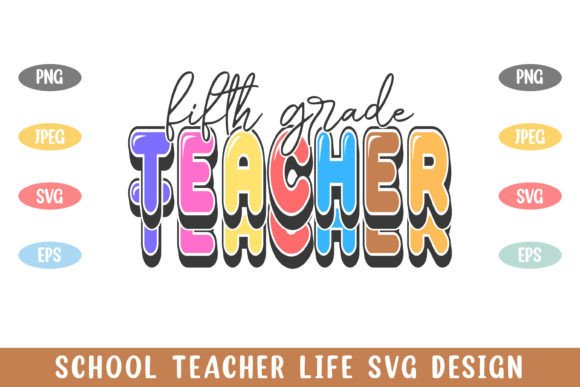
As a designer who spends half my life digitizing and the other half stitching, I have learned that not every graphic translates well to thread. We often see digital assets labeled as Crafts or Graphics that look stunning on a screen but become a tangled mess under the needle. Today, I am taking a close, practical look at the 5th Grade School Teacher Life design. While the product description mentions "Kicking Off 1st Grade" and "Kindergarten," the core appeal here is the versatile "Teacher Life" theme, which resonates deeply with educators across all grade levels. I want to evaluate how this asset performs when moved from a vector file to a tangible, stitched reality.
First Impressions and Visual Personality
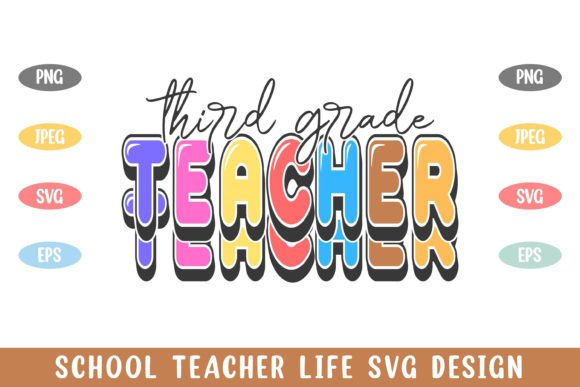
When I first loaded the 5th Grade School Teacher Life file into my viewer, I was looking for clarity. Teacher-themed designs often suffer from clutter—too many apples, too many pencils, and text that fights for attention. This design, however, strikes a balance. It feels approachable and warm, capturing the chaotic joy of the classroom without feeling juvenile. The layout suggests a strong central focus, likely typographic with supportive iconography, which is ideal for embroidery.
The mood is professional yet playful. For an embroidery designer, this is crucial. We are not just making items; we are creating keepsakes. A teacher wearing this design on a tote bag or sweatshirt wants to feel proud and recognized. The visual personality here leans towards modern boutique rather than generic clip-art, which immediately raises the perceived value of the finished product.
Real-World Application: The Custom Tote Bag Scenario
To truly test a design, you must imagine it on a specific product. Let’s consider a custom embroidered tote bag, a staple for teachers carrying graded papers and lesson plans. I recently worked on a similar project for a local school’s end-of-year gift. Using a design like 5th Grade School Teacher Life on a heavy canvas tote requires careful planning.
Because tote bags are often made of thicker, textured fabric, the stitch density of your embroidery file matters immensely. If the design has large solid areas, a fill stitch pattern must be balanced to prevent puckering. I appreciated that this design allows for easy color changes. For a natural canvas bag, swapping bright primary colors for muted earth tones or school colors can make the design feel bespoke rather than mass-produced. The ability to adapt the thread colors means this asset works for a dark navy tote just as well as a white one, provided you adjust the background elements accordingly.
Versatility in Apparel and Home Decor
Beyond totes, this design shines in custom apparel. Imagine this stitched onto a cozy crewneck sweatshirt. Teachers live in comfortable clothes, and a well-executed sweatshirt embroidery piece becomes part of their daily uniform. Here, the scale is key. You want the design large enough to be readable from a distance but not so large that it stiffens the fabric entirely.
I also see potential for smaller applications, such as an embroidered patch that can be ironed onto a denim jacket or a backpack. If you are creating patches, you must pay attention to the border. A clean satin stitch border around the design elements will give it a professional finish and prevent fraying. For baby embroidery or smaller gifts like pencil pouches, you may need to simplify the design or remove smaller details to ensure they stitch out cleanly in a smaller hoop size.
Navigating Fabric and Stitch Challenges
While the design is versatile, it is not without its challenges. Any experienced maker knows that fabric texture changes everything. Stitching on a thin, stretchy t-shirt requires a different approach than stitching on a structured apron. For stretchy fabrics, using the right stabilizer is non-negotiable. I recommend a cut-away stabilizer for garments that will be washed frequently, as it provides lasting support for the stitches.
One area where I advise caution is with tiny lettering. If the "Teacher Life" text includes small fonts, they may not resolve well if the design is scaled down too much. Always check the legibility of the text in your software before hitting "start." Additionally, if you are working with dark fabrics, ensure your design includes a proper underlay or background element to make the lighter threads pop. The product note about easy color changes is vital here; do not assume a white thread will show up on black fabric without a solid backing or strategic placement.
Commercial Value for Etsy Sellers and Craft Businesses
For Etsy sellers and small shop owners, the profitability of a design lies in its broad appeal. The "Teacher Life" niche is evergreen. It sells during back-to-school season, Teacher Appreciation Week, and the holidays. By using a high-quality digital embroidery file like this, you reduce the time spent on digitizing from scratch, allowing you to focus on marketing and production.
However, professionalism is your brand’s currency. A sloppy stitch-out can damage your reputation. Before listing this as a small shop product, run test stitches on scrap fabric. Check for thread breaks, jumps, and density issues. Create printable mockups that show the design on various products to help customers visualize the final result. High-quality photos of the actual stitched item, showing the texture of the satin stitch and the crispness of the lines, build trust far better than digital renders alone.
Practical Designer Notes for Best Results
To get the most out of the 5th Grade School Teacher Life design, keep these technical tips in mind:
- Test on Scrap First: Never stitch directly on your final garment. Use a similar fabric scrap to test tension and density.
- Check Licensing: Before selling finished items, confirm the license terms. Most commercial embroidery projects require a specific commercial use license.
- Contrast is Key: Ensure your thread colors contrast sufficiently with the fabric. Dark threads on dark fabric will vanish.
- Hoop Size Matters: Verify that the design fits comfortably within your hoop, leaving at least an inch of margin around the edges.
- Stabilizer Selection: Match your stabilizer to your fabric. Woven fabrics often need tear-away, while knits need cut-away.
In conclusion, this design offers a solid foundation for a variety of embroidery projects. It balances aesthetic appeal with practical usability, making it a valuable addition to your library of design assets. Whether you are creating a personalized gift for a favorite educator or stocking your boutique with trendy teacher apparel, this design holds up under scrutiny. Just remember that the magic lies in the execution. Take the time to refine your settings, choose your materials wisely, and stitch with care. The result will be a finished product that brings genuine joy to the wearer and pride to the maker.