Reviewing the 4th Grade Teacher Colorful Teachers Day Design
As a designer who spends more time staring at stitch simulations than actual fabric, I have learned that not all digital files translate well to the needle. When I first opened the 4th Grade Teacher Colorful Teachers Day file, my immediate reaction was one of cautious optimism. The visual personality is bright and approachable, hitting that sweet spot between playful and professional that educators often look for in their wardrobe. However, seeing a graphic on a screen is vastly different from watching it sew out on a textured cotton blend. This review breaks down how this design performs in real-world embroidery scenarios, offering practical insights for fellow designers, Etsy sellers, and craft business owners.
First Impressions and Visual Mood
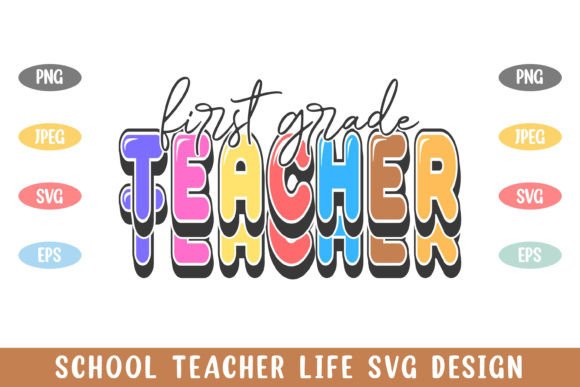
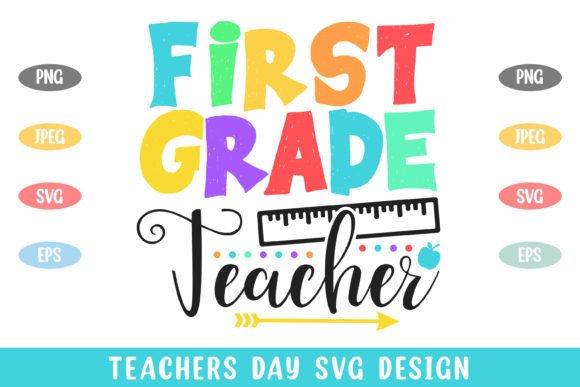
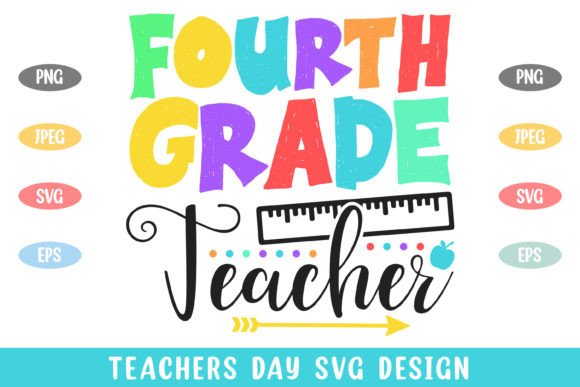
The layout of this design leans heavily into the celebratory nature of Teachers Day. It does not feel like a generic clip-art insertion; rather, it has a composed structure that suggests thoughtful placement. The colorful elements create a mood of appreciation and energy, which is exactly what you want when creating a personalized gift or a boutique item for a school staff member. For those of us in the Crafts industry, we know that color psychology plays a huge role in sales. This design uses its palette to evoke warmth, making it an excellent candidate for spring-themed collections or end-of-year appreciation gifts.
From a Graphics perspective, the lines appear clean. In embroidery, clean lines are non-negotiable. If the vector paths are jagged or overly complex, the machine will struggle, resulting in bird nests and broken threads. While I cannot verify the exact node count without opening the source file, the visual output suggests a manageable level of detail that should stitch out smoothly on most modern home embroidery machines.
Real-World Application: The Tote Bag Test
To truly evaluate a design, you must imagine it on a product. I mentally placed this design on a canvas tote bag design project. Canvas is a sturdy fabric, but it has a visible weave. A design with too much fine detail can get lost in the texture. Fortunately, the bold nature of the 4th Grade Teacher Colorful Teachers Day motif holds up well against this background. The larger elements provide enough surface area for fill stitch patterns to lay flat, while the text components likely utilize a satin stitch or a reinforced running stitch to maintain legibility.
This versatility makes it a strong contender for various custom apparel items. Imagine this stitched onto a heather grey sweatshirt embroidery project. The contrast between the vibrant thread colors and the muted fabric would make the design pop, increasing the perceived value of the handmade product. For an Etsy seller, this means higher engagement and potentially higher price points, as the item looks professionally finished rather than hastily assembled.
Navigating Fabric and Stitch Challenges
While the design is robust, it is not without its challenges. Embroidery designers must always consider stitch density. If the colorful sections are densely packed, they can cause puckering, especially on thinner fabrics like tri-blend t-shirts or lightweight linens. Before committing to a final embroidery project, I strongly advise testing the design on scrap fabric identical to your final material. This is crucial for maintaining the integrity of the finished product.
Another critical factor is the choice of stabilizer. For a design of this nature, a cut-away stabilizer is often safer than tear-away, particularly if the item will be washed frequently. Teachers are hardworking individuals; their clothes go through the wash cycle often. A poorly stabilized design will warp after three washes, leading to customer dissatisfaction. If you are producing this as a small shop product, consistency is key. You cannot afford variable quality due to inadequate stabilization.
Color Strategy and Contrast
The product description notes that the color is easy to change for dark or white t-shirts. This is a vital feature. In embroidery, we do not just "print" colors; we build them with thread. A design that looks great on a white background might disappear on a navy blue one if the contrast is not adjusted. As a reviewer, I appreciate designs that allow for this flexibility. It enables the creator to offer a wider range of commercial embroidery options without needing to redraw the entire asset.
When working with dark fabrics, consider using a lighter underlay or adjusting the thread colors to ensure the text remains readable. For light fabrics, you might need to add a subtle border or shadow effect to prevent the design from looking too flat. Testing your digital embroidery file in both black and white mockups can help you identify potential contrast issues before you even thread the needle.
Commercial Viability and Licensing
For those running a craft business, understanding the licensing terms is as important as the stitch quality. While this review focuses on the design's aesthetic and technical performance, you must confirm whether the file allows for commercial use. Can you sell finished items like embroidered patches or aprons? Can you use the design assets in printable mockup listings? Always check the specific license provided with the Teachers Day SVG bundle. Assuming commercial rights without verification can lead to legal issues that no amount of beautiful stitching can fix.
If you are creating holiday embroidery collections or back-to-school lines, this design fits seamlessly. It appeals to a specific niche—4th-grade teachers—who often feel overlooked compared to kindergarten or high school educators. Targeting this specific audience can help your small business merchandise stand out in a crowded marketplace.
Final Verdict for Makers
The 4th Grade Teacher Colorful Teachers Day design is a solid addition to any embroidery library. It balances visual appeal with technical feasibility. It is not overly complex, which reduces the risk of machine errors, yet it is detailed enough to look premium. For hobbyists and makers, it offers a satisfying stitch-out experience. For professional apparel decorators and digital product sellers, it provides a versatile asset that can be adapted for various fabrics and products.
Remember to respect the hoop size limitations of your machine. If the design is large, ensure your hoop can accommodate it without re-hooping, which can lead to alignment issues. Check the applique design elements if present, as they may require specific fabric cuts. Ultimately, the success of this design in your shop will depend on your execution. Take the time to test, adjust, and perfect your settings. When done right, this design will result in a personalized gift or product that brings genuine joy to the recipient, reinforcing the value of your craft.