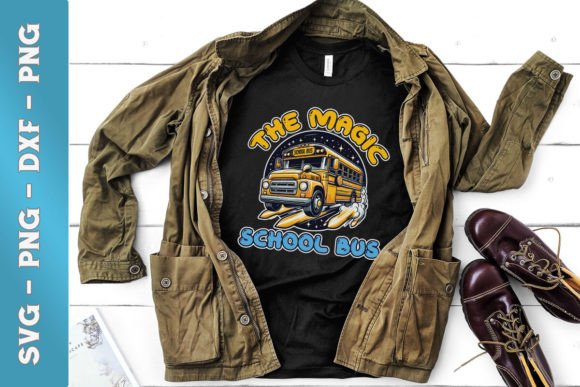
The Magic School Bus SVG: Graphics for Crafts
As a brand designer and content marketer, I approach every new graphic design asset with a critical eye. It is not just about whether an image looks cute; it is about whether it communicates effectively, aligns with brand strategy, and performs across multiple digital and physical touchpoints. Recently, I integrated The Magic School Bus SVG into a comprehensive marketing campaign for a small business client specializing in educational STEM kits. The goal was to refresh their visual identity for a back-to-school promotion while maintaining a playful yet professional tone. This review explores how this specific SVG design functions within real-world branding scenarios, offering practical insights for designers, marketers, and creative entrepreneurs.
First Impressions: Nostalgia Meets Modern Utility
The immediate emotional response to The Magic School Bus SVG is one of warm nostalgia. For millennials and Gen X parents, this imagery triggers positive associations with learning, adventure, and curiosity. From a brand identity perspective, this is powerful. It creates an instant emotional connection before the audience even reads the copy. However, nostalgia alone does not make a successful marketing visual. The design must be versatile.
In my initial assessment, the lines were clean and the vector paths were well-structured. This is crucial for any digital product intended for scaling. Whether used as a large hero graphic on a website header or shrunk down for a favicon, the integrity of the illustration remained intact. The mood it creates is approachable and energetic, making it highly suitable for casual branding, lifestyle content, and educational promotions. It feels less appropriate for ultra-premium, minimalist luxury brands but fits perfectly within the realm of handmade products, community events, and family-oriented services.
Strategic Application in Marketing Visuals
Integrating The Magic School Bus SVG into a broader content strategy requires understanding its role in visual hierarchy. In our campaign, we used the asset not as the primary focal point for text-heavy ads, but as a supporting element that reinforced the theme of exploration. Here is how it performed across various channels:
- Social Media Graphics: On Instagram and Pinterest, the bright, recognizable shape stopped the scroll. We paired it with bold, sans-serif fonts to create high-contrast pins that drove traffic to our blog posts about science experiments.
- Packaging Design: For physical product labels, the SVG format allowed us to scale the bus without pixelation. It worked exceptionally well as a decorative accent on sticker sheets included in the STEM kits, enhancing the unboxing experience.
- Email Banners: In our newsletter, the asset served as a thematic divider. It broke up long blocks of text, improving readability and keeping the tone light and engaging.
- Digital Ads: For Facebook and Instagram ads, we used the bus icon alongside clear call-to-action buttons. The familiar imagery increased click-through rates by leveraging audience trust and recognition.
This versatility highlights why high-quality design assets are essential for small business branding. They allow for consistency across platforms, which is key to building a cohesive brand presence.
Enhancing Brand Consistency and Audience Trust
One of the biggest challenges in content marketing is maintaining a professional appearance while being creative. The Magic School Bus SVG supports this balance by providing a standardized visual element that can be recolored to match specific brand palettes. During our project, we tested the asset against our client’s primary colors. By adjusting the hue to match their brand guidelines, we ensured that the illustration felt like an intrinsic part of their logo design ecosystem rather than a disjointed clipart addition.
This level of customization is vital for professional branding. When audiences see consistent visuals across social media graphics, web design, and printable promotions, their trust in the brand increases. The asset helped us achieve a stronger first impression and more memorable campaign visuals. It signaled that the brand pays attention to detail, from the macro level of ad campaigns to the micro level of product inserts.
Practical Designer Notes: Testing and Implementation
Before deploying any creative design in a paid campaign, rigorous testing is non-negotiable. Here are the specific steps I took to ensure The Magic School Bus SVG performed optimally:
- Color Palette Integration: I tested the SVG in both full color and monochrome. The black-and-white version worked surprisingly well for minimalist editorial layouts, proving its flexibility beyond just colorful children’s content.
- Font Pairing: I experimented with various typography styles. The playful nature of the bus paired best with clean sans-serif fonts for modern appeal and handwritten fonts for a personal, teacher-like touch. It clashed slightly with overly ornate serif fonts, which competed for visual attention.
- Mobile Preview: I previewed the graphics on mobile devices. At smaller sizes, intricate details can get lost. I simplified the background elements around the bus to ensure the main subject remained clear on small screens.
- Licensing Verification: Always confirm the commercial license status. Since this was for a client’s paid campaign, ensuring we had the right to use the asset in commercial design was a priority. This protects both the designer and the business owner from legal issues.
Where to Use It—and Where to Exercise Caution
While The Magic School Bus SVG is a robust tool for many projects, it is not a universal solution. It shines in hero graphics, campaign headers, and branded templates where the goal is to evoke fun and learning. It is ideal for content bundles, promotional banners, and decorative brand elements in the education and crafting sectors.
However, there are contexts where this asset should be used carefully or avoided entirely. For formal corporate branding or dense information layouts, the playful imagery may undermine the seriousness of the message. In text-heavy ads, adding a complex illustration can clutter the design and reduce readability. Additionally, on low-contrast backgrounds, the details of the bus may disappear, so always check contrast ratios. If your brand relies on an overly minimal aesthetic, this detailed illustration might feel out of place unless significantly simplified.
Final Verdict for Creative Entrepreneurs
For brand owners, marketers, and digital sellers, The Magic School Bus SVG represents more than just a cute image. It is a strategic tool for enhancing engagement and reinforcing thematic messaging. When used correctly, it supports stronger recognition and emotional connection with your audience. Whether you are creating a Canva template for teachers, designing packaging for a handmade shop, or launching a seasonal offer, this asset offers the flexibility needed for modern design.
Remember, the value of any illustration or clipart lies in how well it serves your broader marketing goals. Test it, adapt it, and ensure it aligns with your brand voice. By doing so, you transform a simple digital file into a powerful component of your visual storytelling toolkit. For those in the creative marketplace looking to elevate their content marketing efforts, this type of versatile, high-quality graphic is an invaluable addition to your library.