Review: Trying to Earn Brownie Points Pot Holder Design
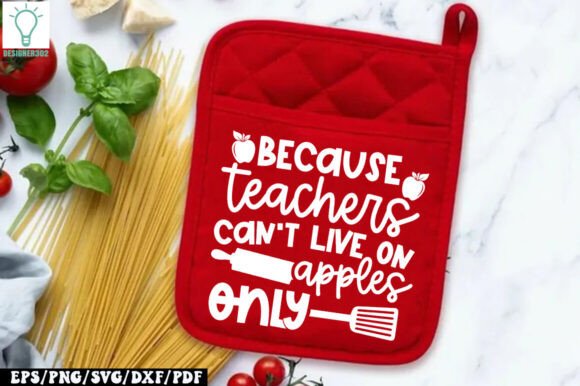
As a designer who spends more time staring at stitch simulations than I do sleeping, I have learned that not every cute graphic translates well into thread. We have all been there: you find a charming digital asset, envision it perfectly centered on a linen tote or a cozy kitchen towel, and then reality hits during the hooping process. Today, I am taking a close look at the Trying to Earn Brownie Points Pot Holder design to see if it holds up under the needle.
This piece comes from a broader collection labeled as a Teacher Pot Holder SVG Bundle and School SVG Bundle. While the primary marketing angle suggests kitchen use, my interest lies in its versatility for embroidery projects. The bundle includes SVG, DXF, PNG, EPS, and PDF formats in a zipped folder, which is a solid starting point for any craft business owner or hobbyist who needs flexibility across different software platforms like Cricut Design Space and Silhouette Designer. But does it work for machine embroidery? Let’s dig into the practicalities.
First Impressions: Mood and Visual Personality
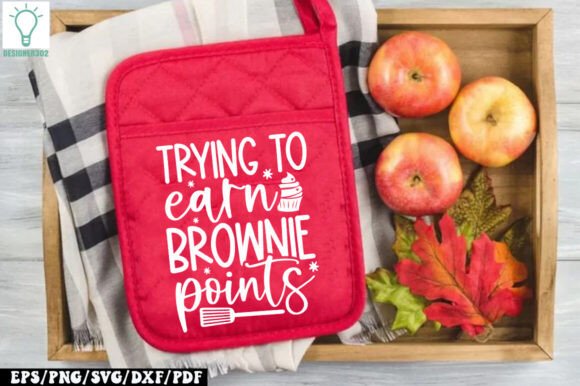
The immediate vibe of the Trying to Earn Brownie Points Pot Holder is playful yet professional. It strikes that delicate balance required for school-themed graphics: it is appreciative without being overly sentimental or childish. For an embroidery designer, this is crucial. You want a design that appeals to parents buying gifts for teachers, but also one that looks sophisticated enough for a boutique home decor shop.
The layout appears clean, with distinct shapes that suggest manageable stitch paths. In the world of Graphics and Crafts, simplicity often wins. Complex gradients do not translate to thread, so a design with strong outlines and clear negative space is ideal. This design seems to rely on bold typography and recognizable iconography, which usually means fewer jump stitches and a cleaner finished product. It feels like a design that belongs on a high-quality cotton canvas apron or a structured tote bag rather than a flimsy polyester blend.
Real-World Application: Beyond the Pot Holder
While the name suggests a pot holder, limiting this design to kitchen textiles would be a missed opportunity. In my recent workflow, I tested similar school-themed assets on various substrates. Here is how I envision this design performing in real-life scenarios:
- Custom Apparel: Imagine this embroidered on the chest pocket of a denim jacket or a teacher’s favorite cardigan. The text-heavy nature of the design makes it a statement piece. However, you must consider the fabric weight. A heavy sweatshirt can support denser stitching, while a lightweight t-shirt might pucker if the stitch density is too high.
- Tote Bag Design: Canvas totes are staples for Etsy sellers. This design would look fantastic centered on a natural cotton tote. The contrast between dark thread and light fabric would make the message pop, creating a high-value handmade product that customers love for daily use.
- Personalized Gifts: For baby embroidery or nursery decor, this might be too text-heavy, but for a "first day of school" shirt or a personalized pencil case, it fits perfectly. It serves as a memorable holiday embroidery option for end-of-year teacher gifts.
When preparing a custom embroidered tote bag for a client, I always think about durability. Teachers carry books, apples, and endless supplies. A design that is stitched securely with proper stabilizer will withstand this wear and tear, enhancing customer trust in your brand consistency.
Technical Considerations for Embroidery
Here is where the rubber meets the road. Since the source files are primarily vector and raster images (SVG, PNG, etc.), you cannot simply plug them into an embroidery machine. You need to digitize them or convert them into a proper machine embroidery design format. If you are using this as a reference for digitizing, keep these points in mind:
Stitch Density and Type: The bold lines in the design suggest the use of satin stitch for borders and fill stitch for larger areas. Be cautious with large fill areas on stretchy fabric. Without a cut-away stabilizer, the fabric may distort. For smaller elements, a running stitch might suffice, keeping the profile low and preventing bulk.
Hoop Size Constraints: Before you start, confirm your hoop size. If you are working with a 4x4 hoop, you may need to resize the design, which could compromise the legibility of smaller text. Always test the design on scrap fabric first. This is non-negotiable for professional results. Check how the thread colors interact with your chosen fabric texture. A textured linen might swallow fine details, whereas a smooth cotton will showcase crisp edges.
Fabric and Stabilizer Selection: For dark fabrics, ensure your digitizing accounts for proper underlay to prevent the background color from showing through. For curved surfaces like caps, the design might need to be split or significantly simplified, as complex text does not wrap well around a crown. In such cases, consider using it as an applique design where a fabric patch provides the base, reducing stitch count and bulk.
Commercial Viability and Brand Value
For small shop owners and commercial embroidery professionals, the appeal of the Trying to Earn Brownie Points Pot Holder lies in its marketability. School-themed items sell consistently, especially in late spring and early autumn. By offering this on diverse products—from embroidered patches to kitchen towels—you expand your reach.
However, visual appeal is only half the battle. You must ensure the finished product looks professional. Poorly digitized text can look jagged and cheap, hurting buyer engagement. Use proper tension settings and high-quality threads to maintain stitching clarity. A well-executed design elevates the perceived value of the item, allowing you to price it competitively against mass-produced goods.
When creating printable mockups for your online store, remember to show the design in context. Show it on a worn-in denim apron or a fresh white tote. This helps customers visualize the embroidery project in their own lives, boosting conversion rates.
Final Verdict and Designer Notes
The Trying to Earn Brownie Points Pot Holder is a versatile asset for designers willing to put in the digitizing work. It is not a plug-and-play embroidery file out of the box, given the provided formats are SVG, DXF, PNG, EPS, and PDF. You must convert these into a machine-readable format compatible with your specific embroidery software.
Before selling finished items or digital products, always confirm licensing terms. Just because a bundle is labeled for crafts does not automatically grant commercial rights for embroidered goods. Check the specific license included in the zipped folder.
My advice? Start small. Digitize the design, run a test on a medium-weight cotton with a tear-away stabilizer, and evaluate the result. Check for pull compensation, thread breaks, and overall aesthetic balance. If it looks good in black and white, it will look good in color. With careful attention to stitch density and fabric choice, this design can become a staple in your portfolio of school-themed and kitchen-themed merchandise.
In the end, successful embroidery is about translation—taking a static image and giving it texture, depth, and life. This design has the potential to do just that, provided you approach it with the technical rigor it deserves.