Reviewing Teachers Bake Smart Cookies Pot Holder
As a designer who spends more time staring at stitch simulations than I care to admit, I have learned that not every cute graphic translates well into thread. We often browse marketplaces for Graphics and Crafts assets, assuming that if it looks good on a screen, it will look great on fabric. That is rarely the case. Recently, I evaluated the Teachers Bake Smart Cookies Pot Holder design to see if it holds up under the needle. This is not just a digital file; it is a potential product line for educators, bakers, and gift-givers. Here is my practical assessment of how this design performs in real-world embroidery scenarios.
First Impressions and Visual Personality
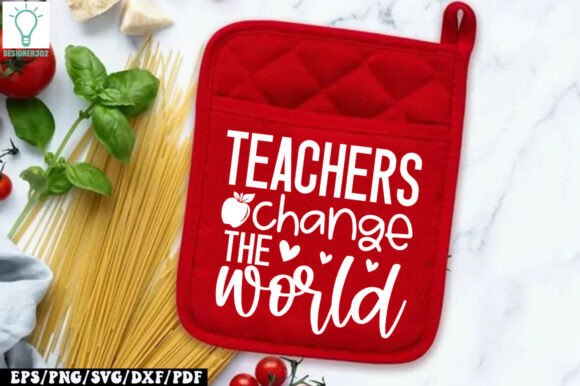
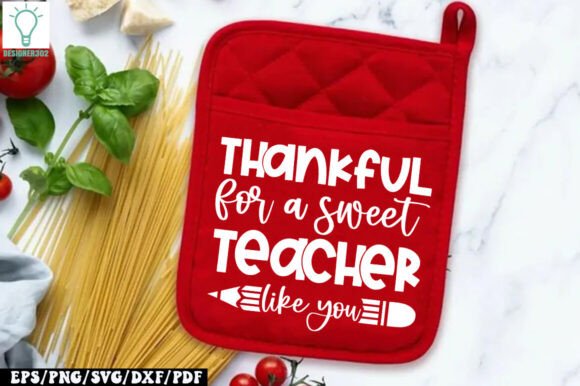
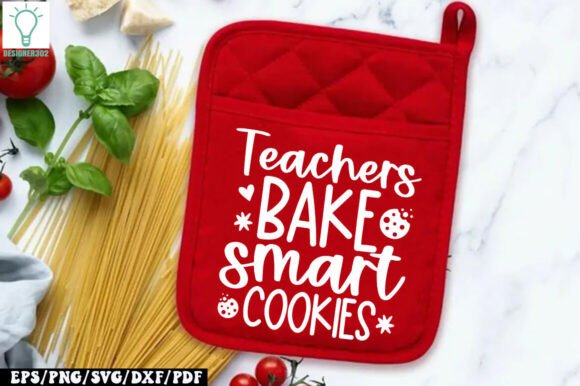
The first thing that strikes you about the Teachers Bake Smart Cookies Pot Holder is its playful yet professional tone. It bridges the gap between whimsical kitchen decor and appreciative teacher gifts. The layout typically features clever typography paired with cookie or baking motifs, creating a balanced composition that feels intentional rather than cluttered. For an embroidery project, balance is critical. If the text is too thin or the graphics too dense, the machine struggles, and the final result looks messy.
This design exudes a warm, inviting mood. It does not scream for attention but rather invites a closer look. This subtlety is essential for items meant for daily use, such as kitchen towels or aprons. When I visualize this stitched out, I see it working best with a mix of satin stitches for the borders and fill stitches for the heavier graphic elements. The visual personality suggests durability and charm, two key selling points for any handmade product.
Real-World Application: From Screen to Stitch
To truly test the viability of this design, I imagined applying it to several common substrates. Let us consider a custom embroidered tote bag. Tote bags are popular among teachers for carrying books and supplies. The Teachers Bake Smart Cookies Pot Holder would sit nicely on the front panel. However, because canvas has a distinct weave, the stitch density must be sufficient to cover the fabric texture without pulling it out of shape. If the design relies heavily on running stitch details, they might get lost in the canvas grain. A higher density fill or a slight underlay adjustment would ensure clarity.
Another strong candidate is sweatshirt embroidery. A crewneck sweatshirt provides a stable, thick surface that handles heavier designs well. Here, the design could serve as a central chest piece or a larger back print. The contrast between the thread colors and the heather gray or navy fabric commonly used for staff apparel would make the "Smart Cookies" message pop. For baby embroidery projects, such as a bib or a onesie, the scale becomes the primary concern. You would need to resize the design significantly. In doing so, you must check if the small lettering remains legible. Tiny text often merges together when stitched, so testing on scrap fabric is non-negotiable.
I also considered its use on an embroidered patch. Patches are trending in boutique branding and small shop products. If you digitize this specifically for a twill backing, the Teachers Bake Smart Cookies Pot Holder could become a standalone merchandise item. The edges would need a clean satin stitch border to prevent fraying, and the internal details must be spaced adequately to avoid thread breaks during high-speed commercial embroidery runs.
Navigating Technical Challenges
While the concept is strong, execution requires caution. One area where this design might face challenges is on curved surfaces like caps. Embroidering on a cap requires careful hooping and often a reduction in stitch count to prevent puckering. If the Teachers Bake Smart Cookies Pot Holder includes wide, solid areas of fill stitch, it could stiffen the front panel of a hat uncomfortably. I would recommend breaking up large solid areas with lighter patterns or reducing the density if adapting it for headwear.
Dark fabrics present another hurdle. If you are stitching this on a black apron or a dark tote, you cannot rely on the fabric to provide contrast. You must choose thread colors wisely. Light creams, bright whites, or vibrant accent colors will be necessary to make the design visible. Additionally, using a white or light-colored stabilizer underneath can sometimes show through if the stitch coverage is not tight enough. Always test your tension and density on the actual fabric you plan to use.
Textured fabrics, such as terry cloth towels or waffle-weave kitchen linens, can distort fine details. The Teachers Bake Smart Cookies Pot Holder likely contains some intricate elements. On highly textured surfaces, these details may sink into the pile. Using a cut-away stabilizer and possibly a topping film can help keep the stitches on the surface, ensuring the design remains crisp and readable after washing.
Enhancing Product Value and Brand Consistency
For Etsy sellers and craft business owners, the perceived value of a finished product is tied directly to its presentation. A well-executed embroidery job signals quality. When a customer sees clean lines, proper tension, and thoughtful color choices, they trust the maker. This design supports that trust because it is relatable and specific. It targets a niche—teachers who bake or love cooking—which allows for targeted marketing.
Using this design in your portfolio can enhance brand consistency if your shop focuses on educational or culinary themes. It fits seamlessly into holiday embroidery collections, particularly for end-of-year teacher gifts or Christmas presents. By offering this as a personalized gift option, perhaps adding a name below the main graphic, you increase the emotional connection for the buyer. Personalization transforms a generic item into a cherished keepsake.
Practical Designer Notes for Best Results
Before you commit to producing inventory or listing this as a digital embroidery file, follow these practical steps:
- Test on Scrap Fabric: Never skip this step. Stitch the design on the exact material you intend to sell. Check for puckering, thread breaks, and registration issues.
- Check Thread Color Contrast: View your design in black and white mockups. If the elements blend together in grayscale, they will lack definition in real life. Adjust your palette to ensure distinct separation between text and graphics.
- Review Stitch Density: High density looks lush but can cause fabric distortion. Low density saves time but may show the background fabric. Find the sweet spot for your specific hoop size and material.
- Confirm Hoop Size: Ensure the design fits comfortably within your standard hoops. Leaving adequate margin around the design prevents hoop burns and makes finishing easier.
- Inspect Small Details: Zoom in on the digital file. Are there tiny isolated stitches that might jump or break? Simplify complex areas if necessary for better machine performance.
- Use Proper Stabilizer: Match your stabilizer to your fabric. Cut-away for stretchy knits, tear-away for stable wovens, and wash-away for delicate or textured materials.
- Verify Licensing: Since this comes as part of a bundle including SVG, DXF, PNG, EPS, and PDF formats, clarify the license terms. Can you sell finished physical items? Can you resell the digital files? Most craft businesses sell finished products, but always confirm before listing on Etsy or at craft fairs.
The Teachers Bake Smart Cookies Pot Holder is a versatile asset for those in the crafts and graphics space. It offers a charming aesthetic that resonates with its target audience. However, its success depends entirely on your technical execution. By respecting the limitations of your machine and the properties of your fabric, you can turn this digital design into a high-quality, profitable embroidered product. Whether you are creating a single personalized gift or a batch of small shop merchandise, attention to detail will set your work apart.